Autonomous Marine Robotics

Argos Autonomous Surface Vessel

Argos

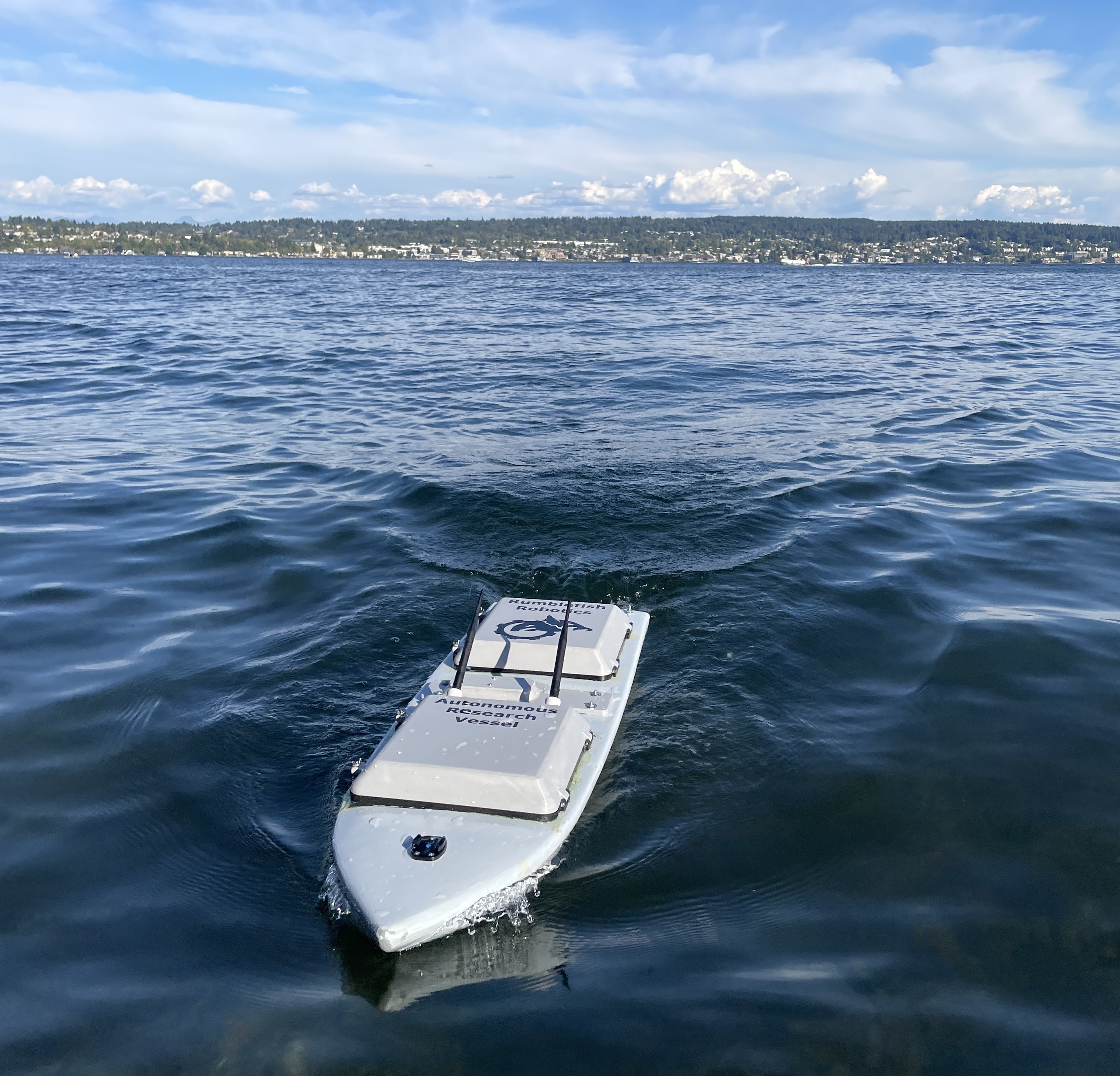
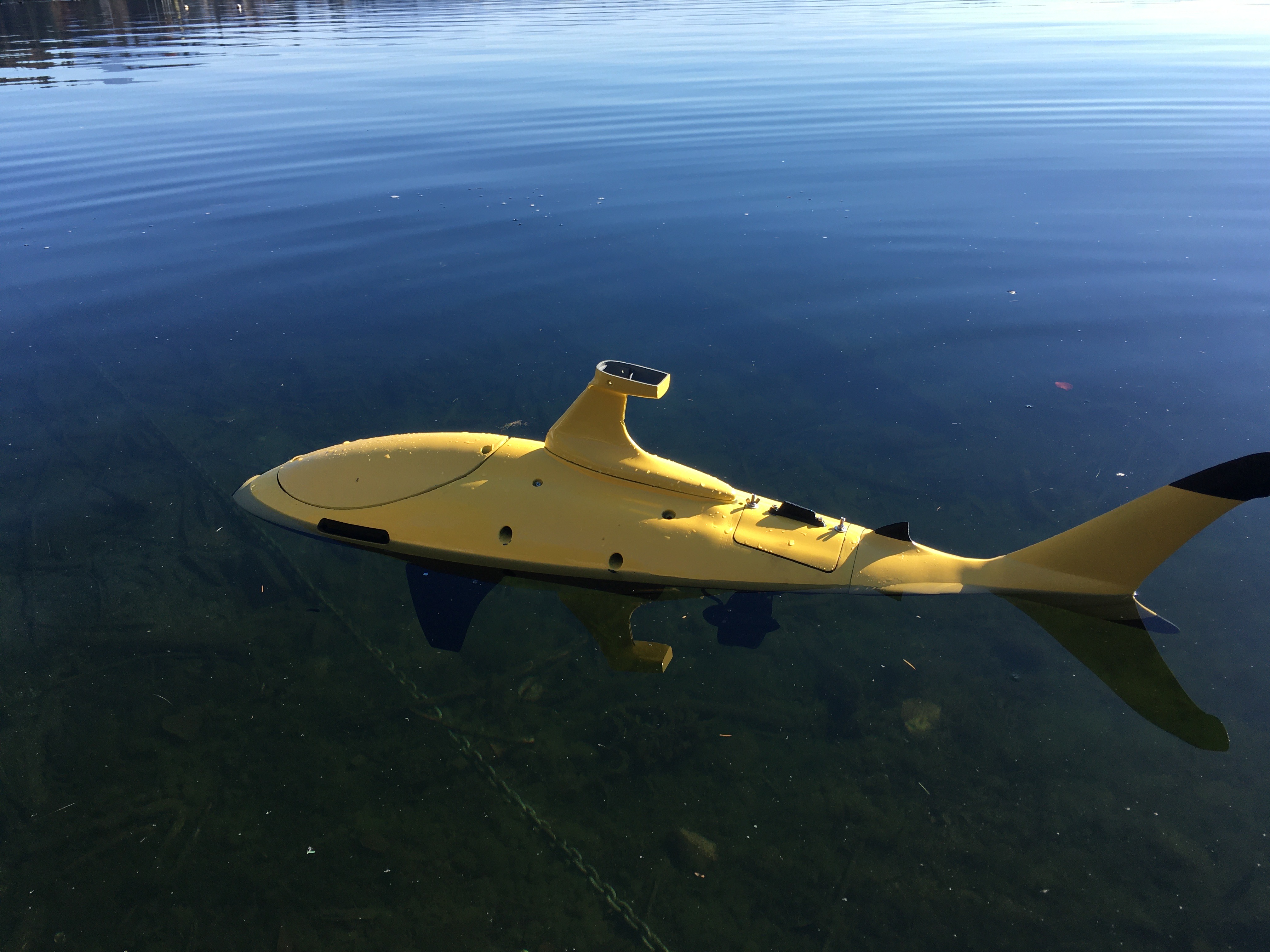
Argos is a man-portable autonomous surface vessel (USV) designed for persistent sensing across challenging, variable-depth aquatic environments. With an ultra-shallow draft capable of full mission execution in just 18 cm of water, Argos bridges the critical littoral gap—penetrating shallow mudflats, inland drainage networks, and coastal zones that ground standard vessels, while still maintaining the seakeeping required for Sea State 3 operations in deeper waters.

Built around single-operator field logistics, the system can be hand-launched from unimproved shorelines, piers, docks, or small craft without dedicated deployment or recovery gear—and is compact enough to be backpacked into austere terrain when off-road access is required. Developed at Rumblefish Robotics, Argos provides a flexible, low-signature autonomous sensor platform for missions ranging from tactical operations in contested littoral waters to hydrographic and environmental surveying.
Learn more at rumblefishrobotics.com ↗
Blacktip Autonomous Marine Robot

Blacktip

Blacktip was developed as an experimental platform to investigate biomimicry for underwater hydrodynamics in unmanned underwater vehicles. Modeled at a 1:1 scale on a blacktip reef shark—a morphology chosen for exceptional gliding efficiency and maneuvering—the vehicle built directly upon an evolutionary design space refined over millions of years.

Spanning 2017 through 2021, the program also served as the primary testbed for additive manufacturing in marine robotics. By exploring large-format 3D printing to rapidly produce custom, low-cost pressure hulls and hydrodynamic fairings, the project established core structural and fabrication methodologies that directly inform subsequent hull construction techniques.

OneFish Autonomous Marine Drone

OneFish

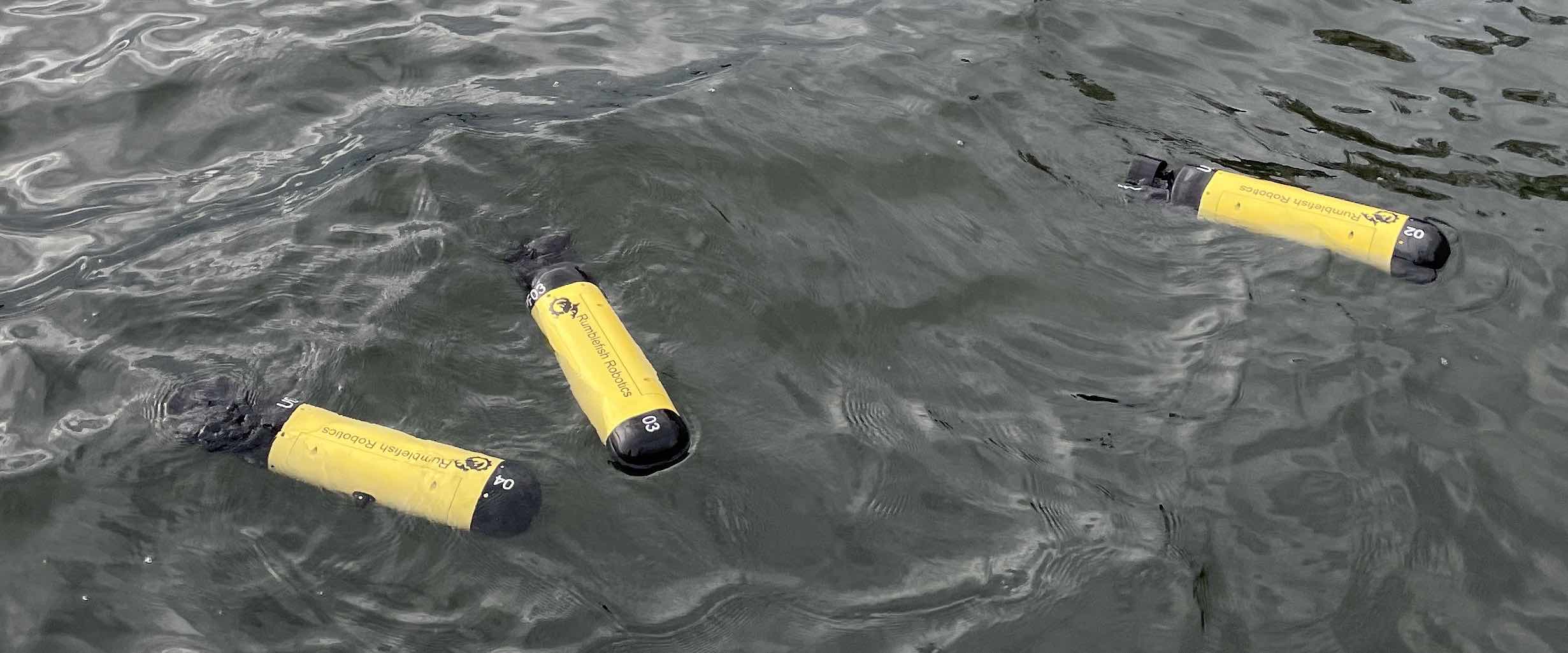
OneFish is an autonomous marine drone platform developed as an in-house research tool to investigate scalable swarm operations and wide-area underwater sensing. Engineered using large-format additive manufacturing for rapid iteration and low unit cost, the platform enables multi-vehicle deployments in coastal environments without the logistical footprint of traditional research or defense vessels.

The architecture is designed to coordinate a swarm of autonomous UUVs equipped with hydrophones and modular environmental payloads. By positioning sensing nodes across large geographic expanses, the system aims to significantly enhance acoustic detection capability, expand spatial coverage, and provide persistent monitoring across wide marine baselines.

Autonomous Aerial Robotics

Expeditionary Fixed-Wing UAS

Expeditionary Fixed-Wing UAS

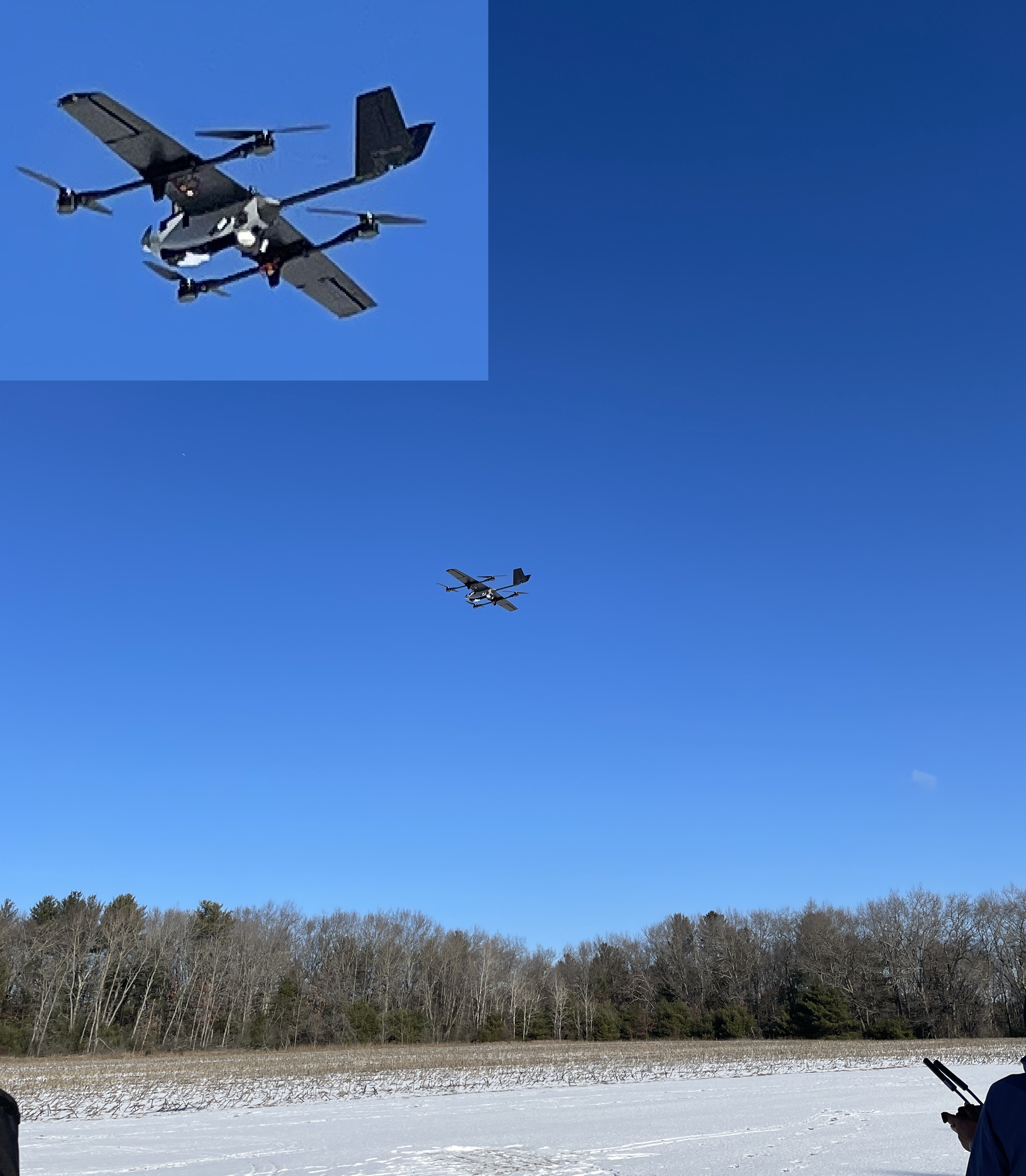
An expeditionary unmanned aerial system (UAS) engineered to bridge the capability gap between compact multirotors and heavy fixed-wing aircraft. Built around a patented expandable-wing architecture, the 7-foot wingspan aircraft packs down into a backpack-sized footprint and deploys in under two minutes without assembly tools, runways, or dedicated launch equipment.

Designed for long-endurance autonomous operations in austere environments, the platform delivers over two hours of flight time while carrying modular payloads up to five times heavier than traditional packable drones. The airframe integrates edge computing, swappable sensor suites, and autonomous navigation for multi-mission capability across tactical reconnaissance, disaster response, and wide-area infrastructure inspection.

Remotely Operated Marine Vehicles

Lanternfish ROV Platform

Lanternfish

The Lanternfish is an open source, extensible, underwater robotics platform. The goal of the project was creating a cheap to build, easily modifiable, platform for getting people started with underwater robotics.

Wearables

Torque Neck Interface

Torque

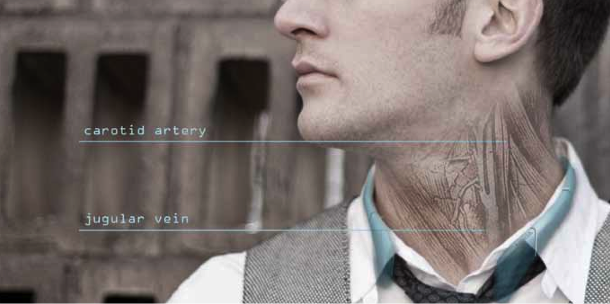
The Torque explored using the neck as a location for hosting a mobile life-logging device with an audio interface. Neck worn forms afford discrete, private, physical forms that are easily hidden by a collared shirt or clothing and easily mistaken for jewelry. Locating the device on the neck also provides excellent biometric sensor placement, and enables logging of spatialized audio, as sensors can be located in opposition around the sagittal plane.

Wireless Ring Accessory

Rings

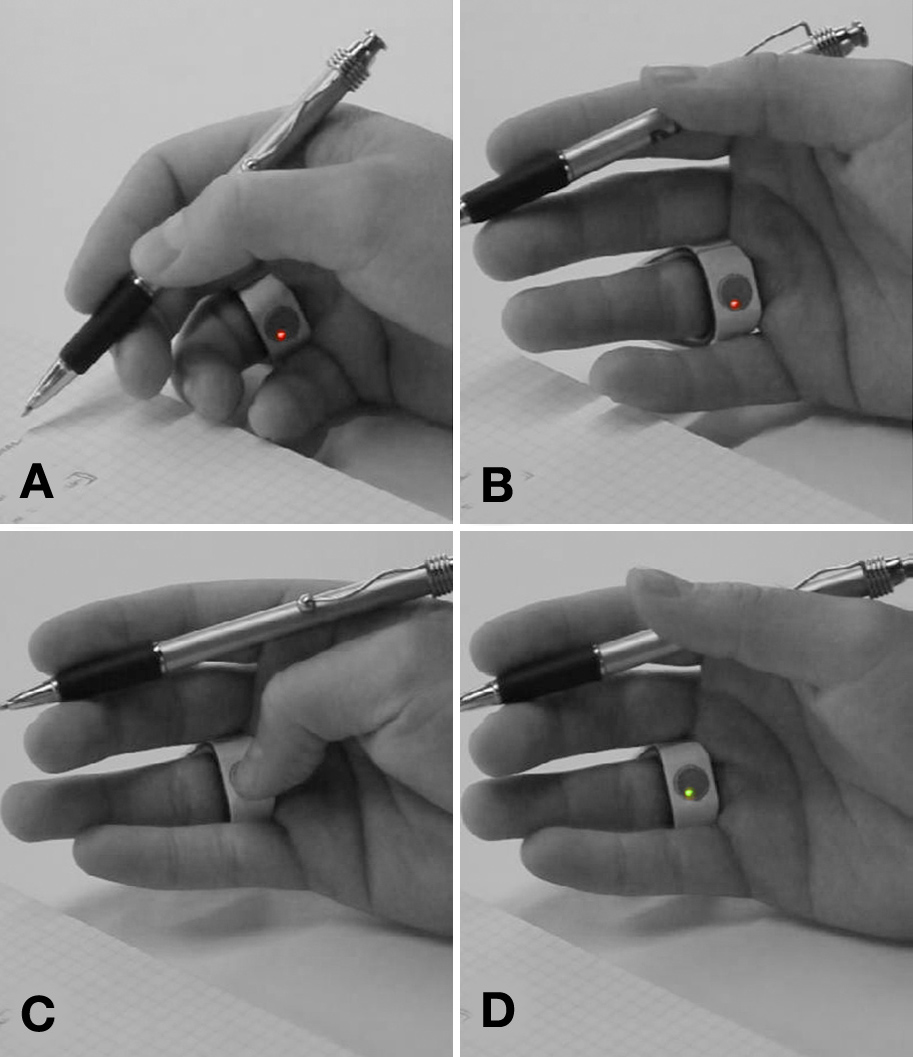
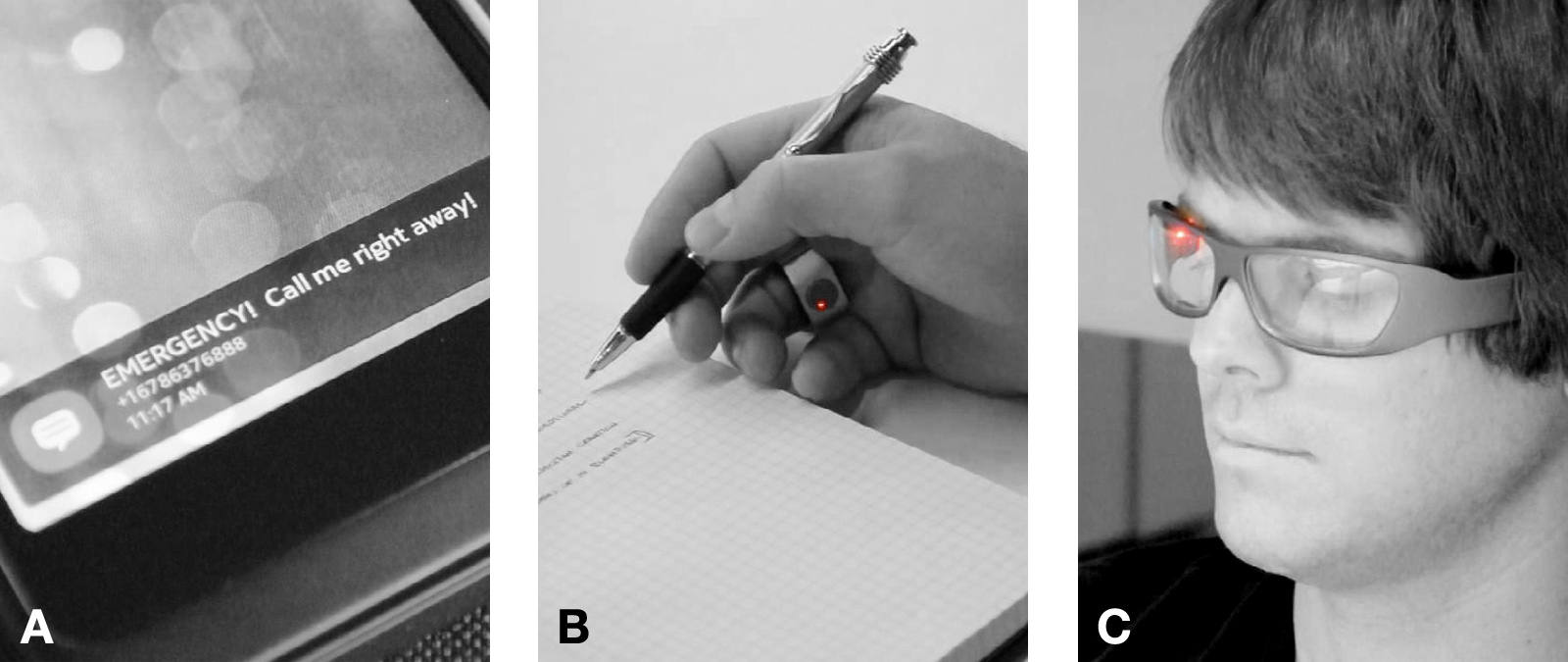
Ring location offers them a number of unique affordances. For this project I developed a wireless ring-based accessory enabling the user to conveniently and covertly observe and acknowledge incoming messages. The system also provided a subtle way for the user to annotate in life logging applications.

Device Escalation Paradigm

Device Escalation

Device escalation has been a reoccurring theme in my mobile work. The goal is developing a cohesive user experience that spans multiple devices by designing the experience so that it gradually increases its presence in the user's life. This work examined how escalation of mobile alerts could be improved by escalating the alert off the phone - first to a ring - and then to glasses. The escalation minimizes the amount the alerts intrude on the users life, and enables coverage without requiring the user maintain such tight proximity with their phone.

e-SUIT Wearable Business Suit

e-SUIT

The e-SUIT is a wearable computer incorporated into a traditional business suit. The goal of the system was to allow a user to strike a balance between the amount of functionality they used and the social weight they bore as a consequence. The work developed the concept of social weight for technology, and explored how device escalation could be used as a strategy for minimizing social weight.

Pressure Based Haptic Sensing Glove

Pressure Based Haptic Sensors

This project was conducted in 1997 while I was still an undergraduate, but it is a personal favorite project, and it was my first published work. I created a glove for sensing the absolute position of each of the users fingers. Most of the project was developing a sensor suitable for use on the body. In the end I used changes in pressure, as sealed chambers were deformed in order to measure the bend of the users fingers.

Phones and Accessories

Archimedes Gesture Controls

Archimedes

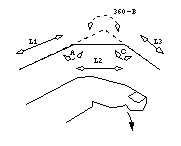
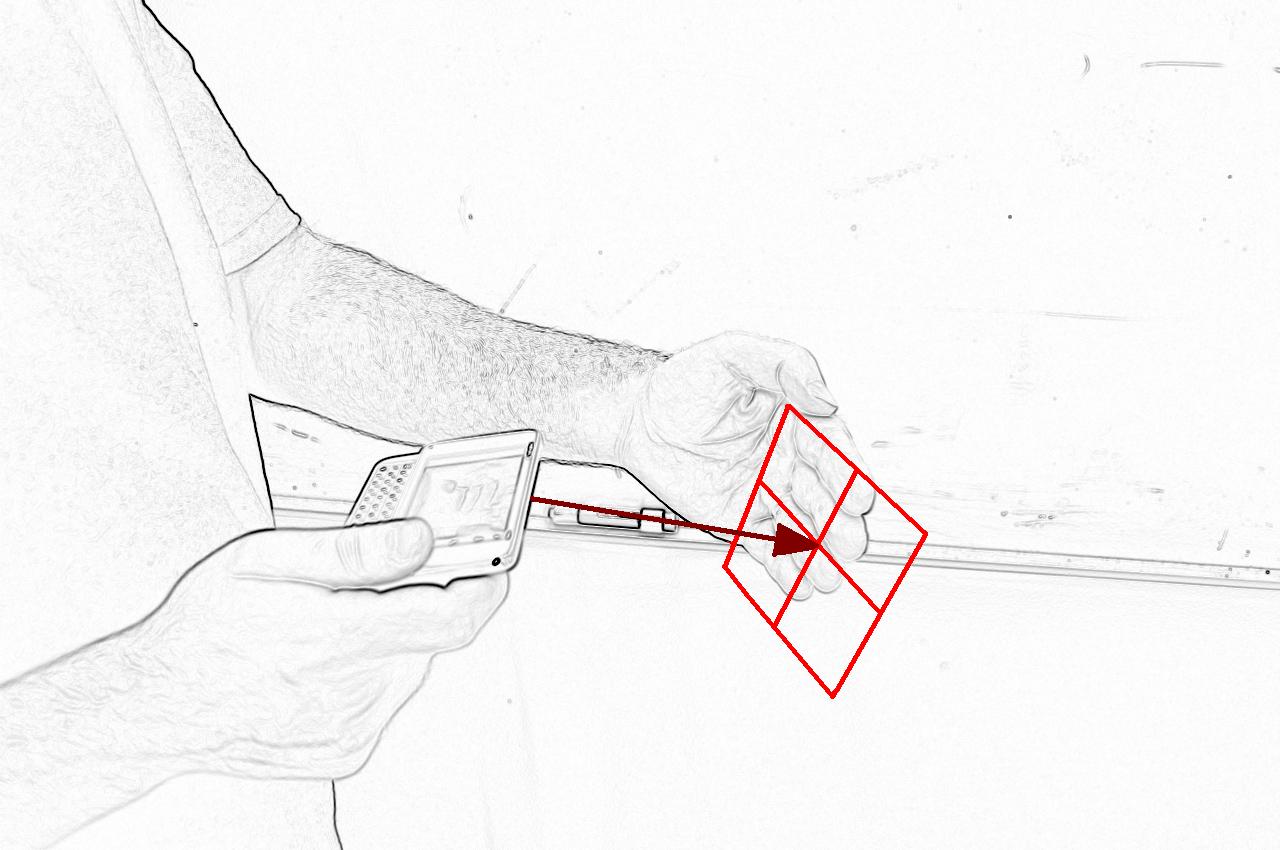
The project explored redirecting the camera on the phone to provide gestural controls. The work developed into an exploration looking for the pinch-zoom touch screen equivalent gestures for augmented reality applications on the phone. Several example gestures for providing verniered control over depth, angle, and rotation were developed.

Escher Disaggregated Smart Tiles

Escher

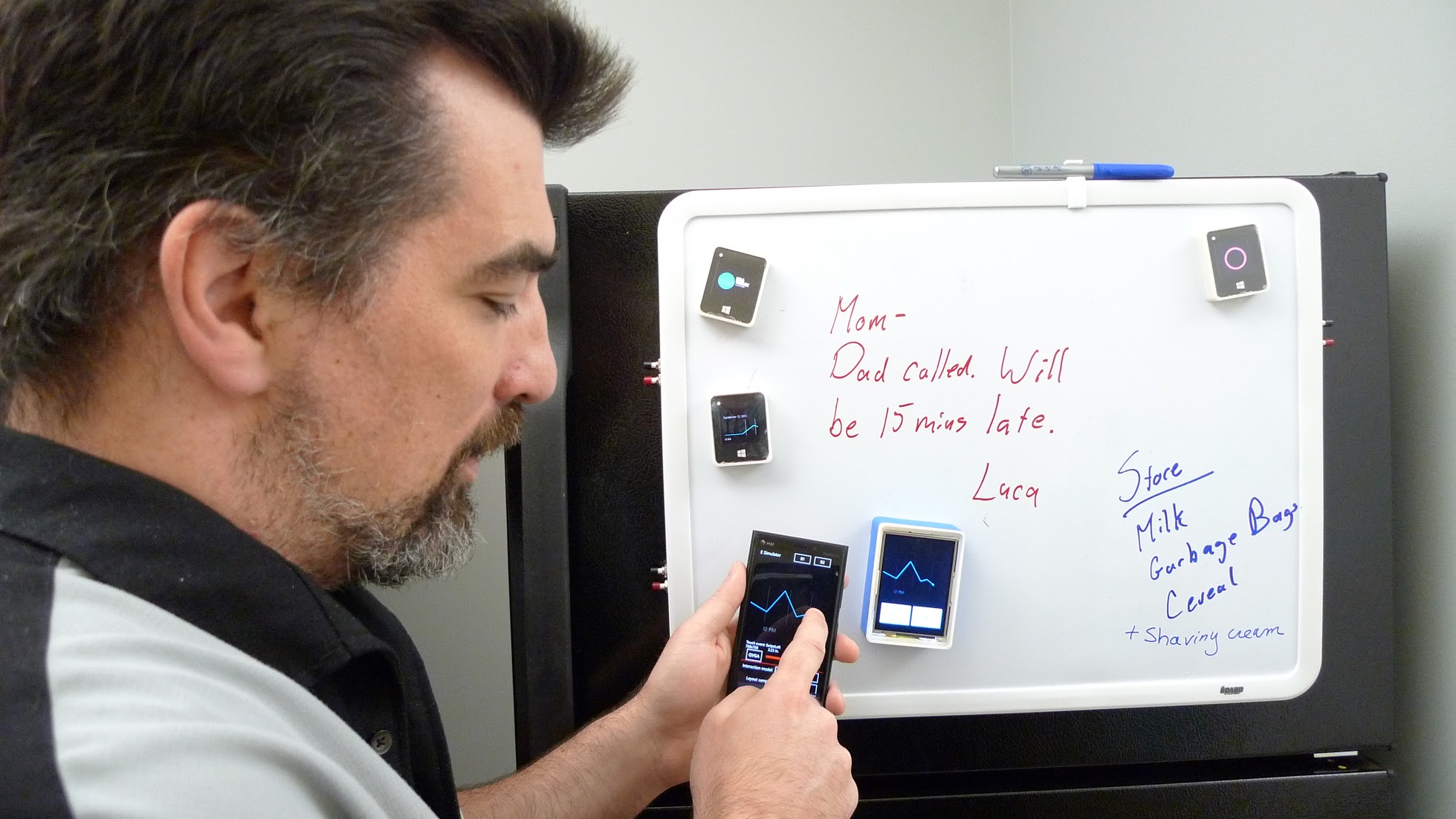
The project explored pushing live tiles, apps, and streaming data off of the phone and onto physical tiles found in the users environment.

Wearable Displays

Physical Crossovers & Bone Conductors

Physical Crossovers

Bone conductors are cheap, capable of being integrated into a wide variety of physical forms, and provide a clear low frequency mono channel. My collaborators and I researched using both high frequency resonators and bone conductors as a physical crossover. The end goal was obtaining quality broad-spectrum sound out of a head worn device without requiring hardware covering the ear. Research explored mechanisms for vibration isolation, ideal actuator placement, and means of generating appropriate contact force for bone conductors.

Vibrotactile Shoulderpad Display

Vibrotactile Shoulderpad Display

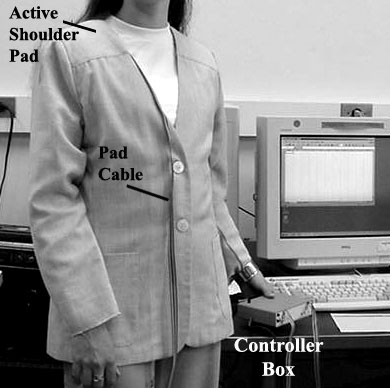
This research explored issues of integrating a vibrotactile display into a standard clothing insert, the shoulder pad. Research spanned merits and drawbacks of multiple construction techniques, and user studies were conducted to assess the overall efficacy and information carrying capacity of shoulder mounted vibrotactile displays.

Smart Clothing

Smart Hangers Hardware

Smart Hangers

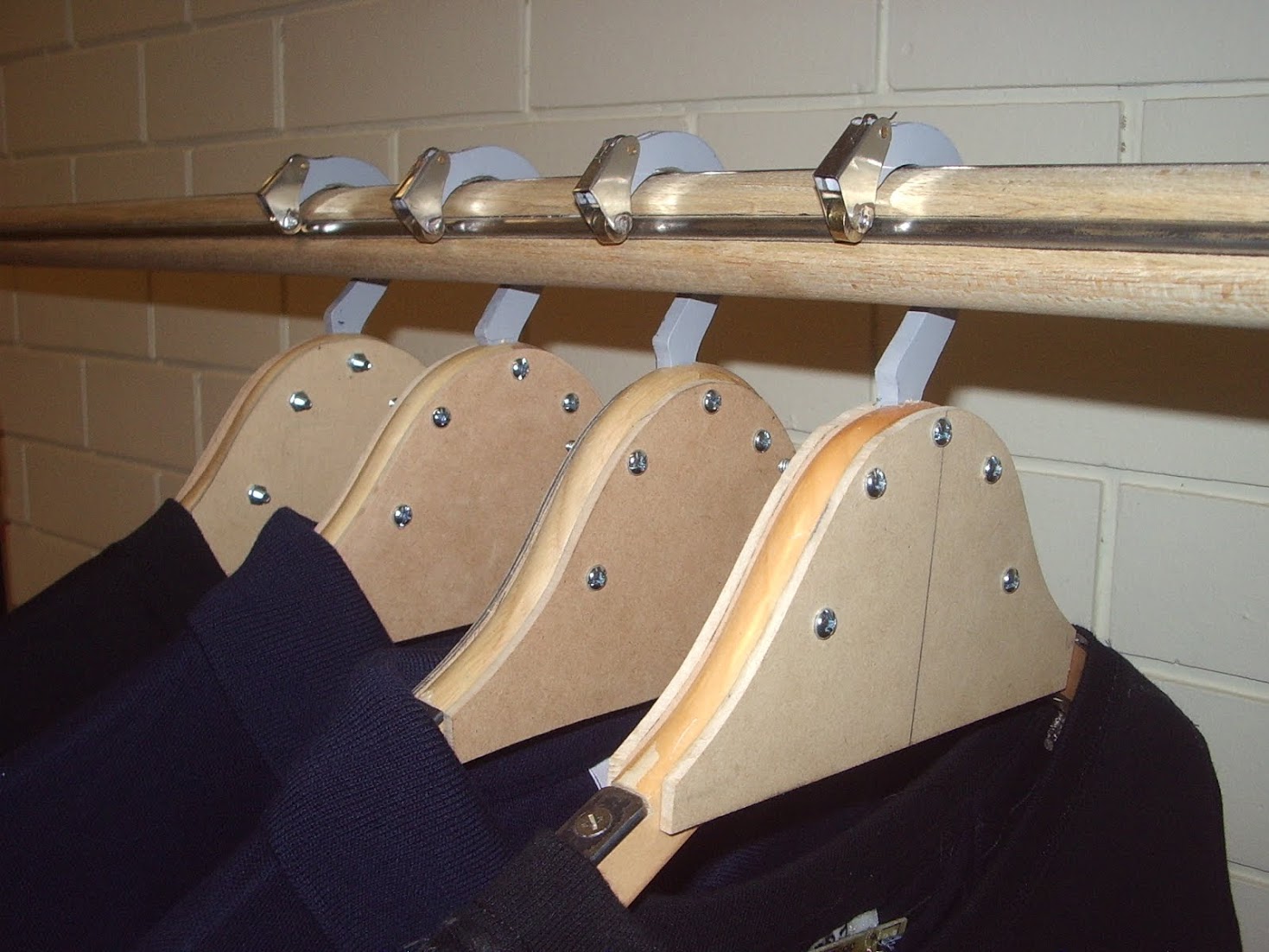
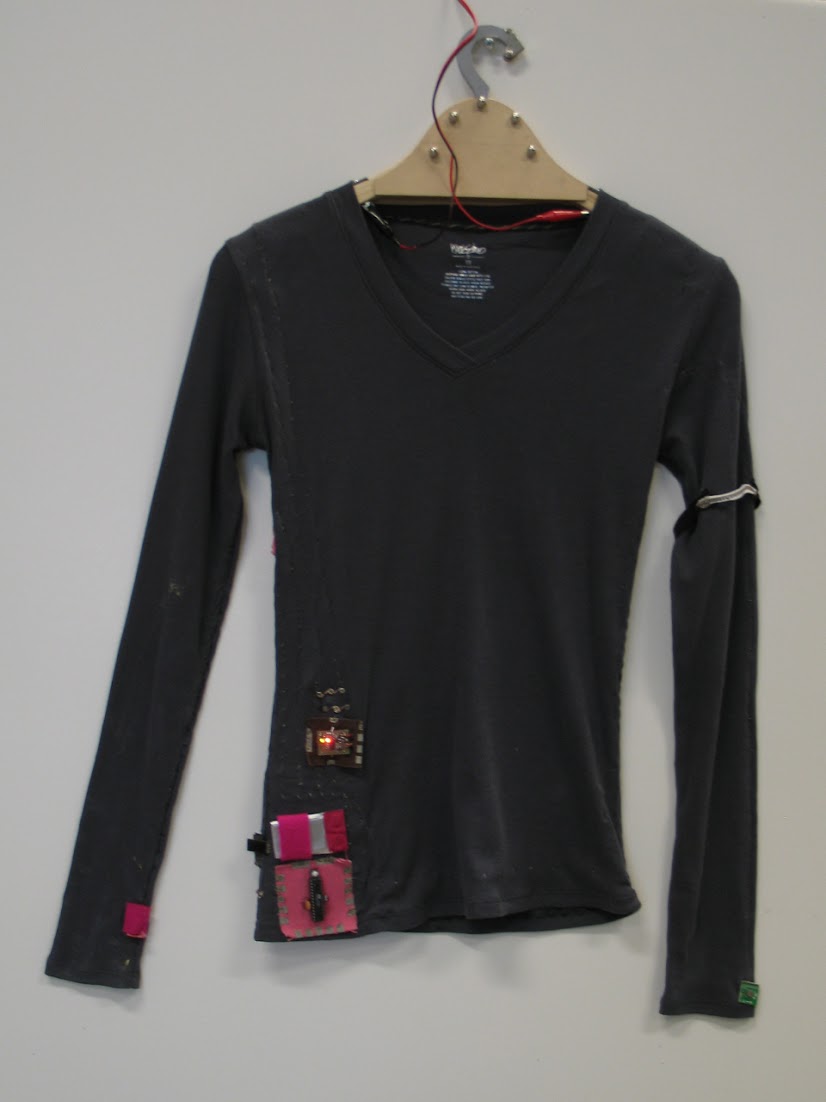
Ease of maintenance and management of smart garments (garments with integrated electronics) will be crucial to their commercial viability. The SmartHanger was developed to address smart garments' needs of easy garment charging, storage, and synchronization. The developed hangers were able to charge and communicate with the garments over a two-wire protocol.

Smart Tags Integration

Smart Tags

The SmartTag work was a collaboration predating development of current e-Textile prototyping systems like the LilyPad. The work developed manufacturing techniques for smart garments, specifically ways to construct smart garments using the existing garment industry’s infrastructure. SmartTags were proposed as a way of developing smart garments by integrating the electronics through sewn in modules.

Narnia Wardrobe System

Narnia

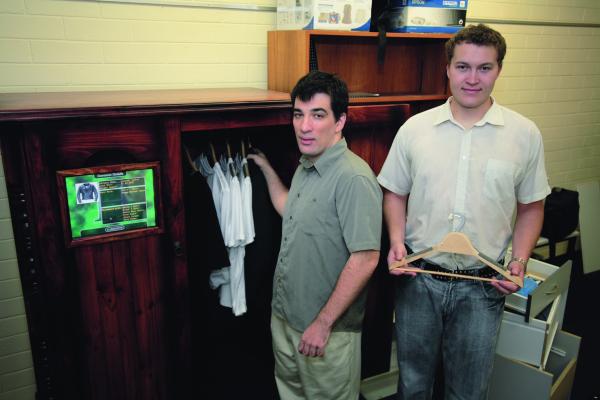
Smart hangers provided a way to take care of a large number of individual smart garment prototypes collectively. Narnia was developed as a way to interact with and manage a large collection of garments, both smart and conventional, in a way suitable for use in the home. Narnia contained a smart garment management system and could house several dozen smart garments. The door of the cabinet provided the user with an interface to see what was currently clean and ready to wear, out being cleaned, and would even make suggestions on available outfits based on past choices.

Tabletop User Interfaces

Deployable Displays

Deployable Displays

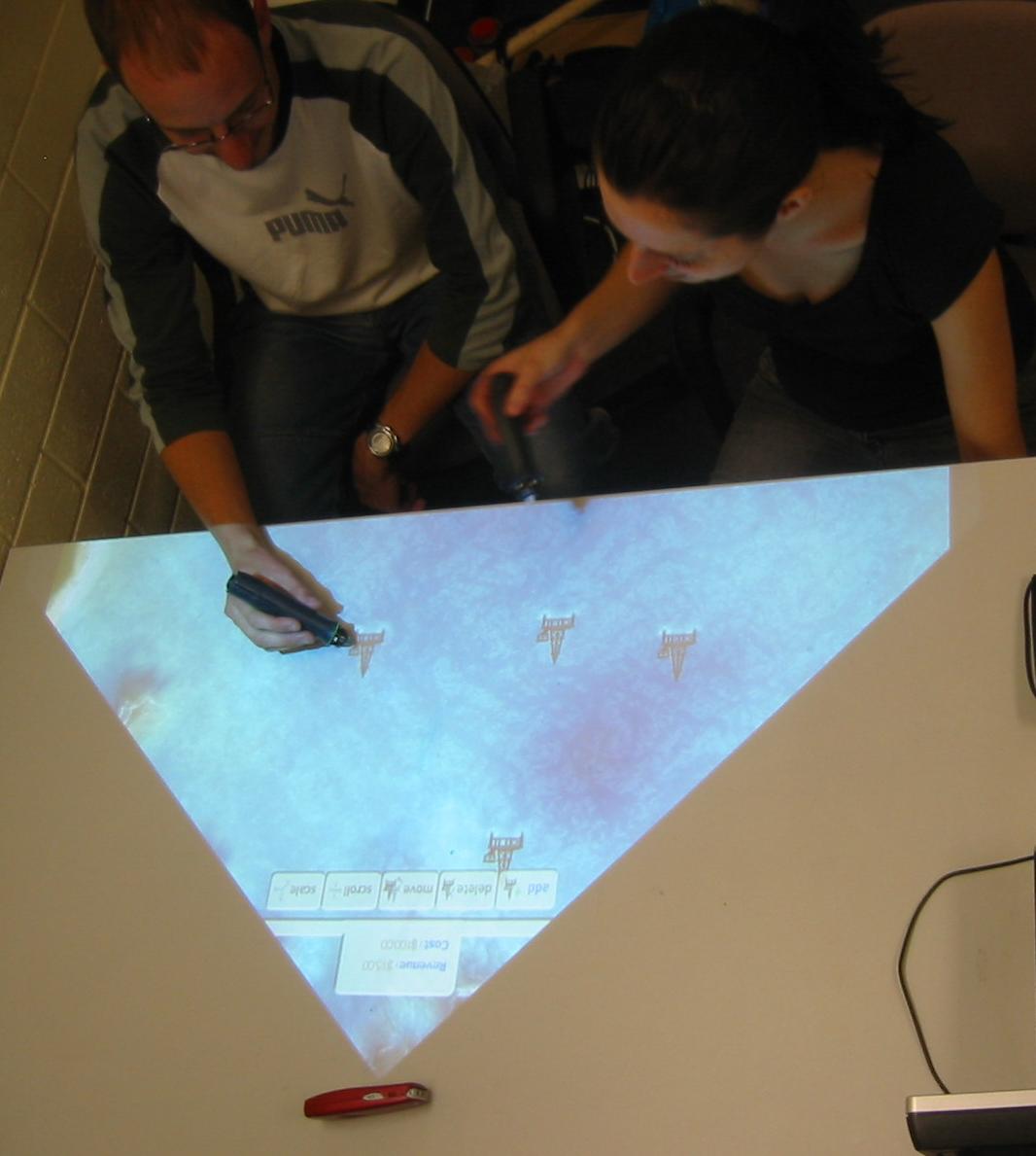
This project explored how mobile devices can best provide projected collaborative user interfaces on convenient horizontal surfaces. It appeared to the participants that their phone was generating a projected interactive surface. This let me study where the users deployed and re-deployed the phone when initially setting up a projected interface, and how deployment location impacted collaboration and user interface effectiveness. I was also able to look at what caused users to re-deploy, and where they redeployed, in response to variables such as number of collaborators, table height, and application.

Modeling Reach

Modeling Reach

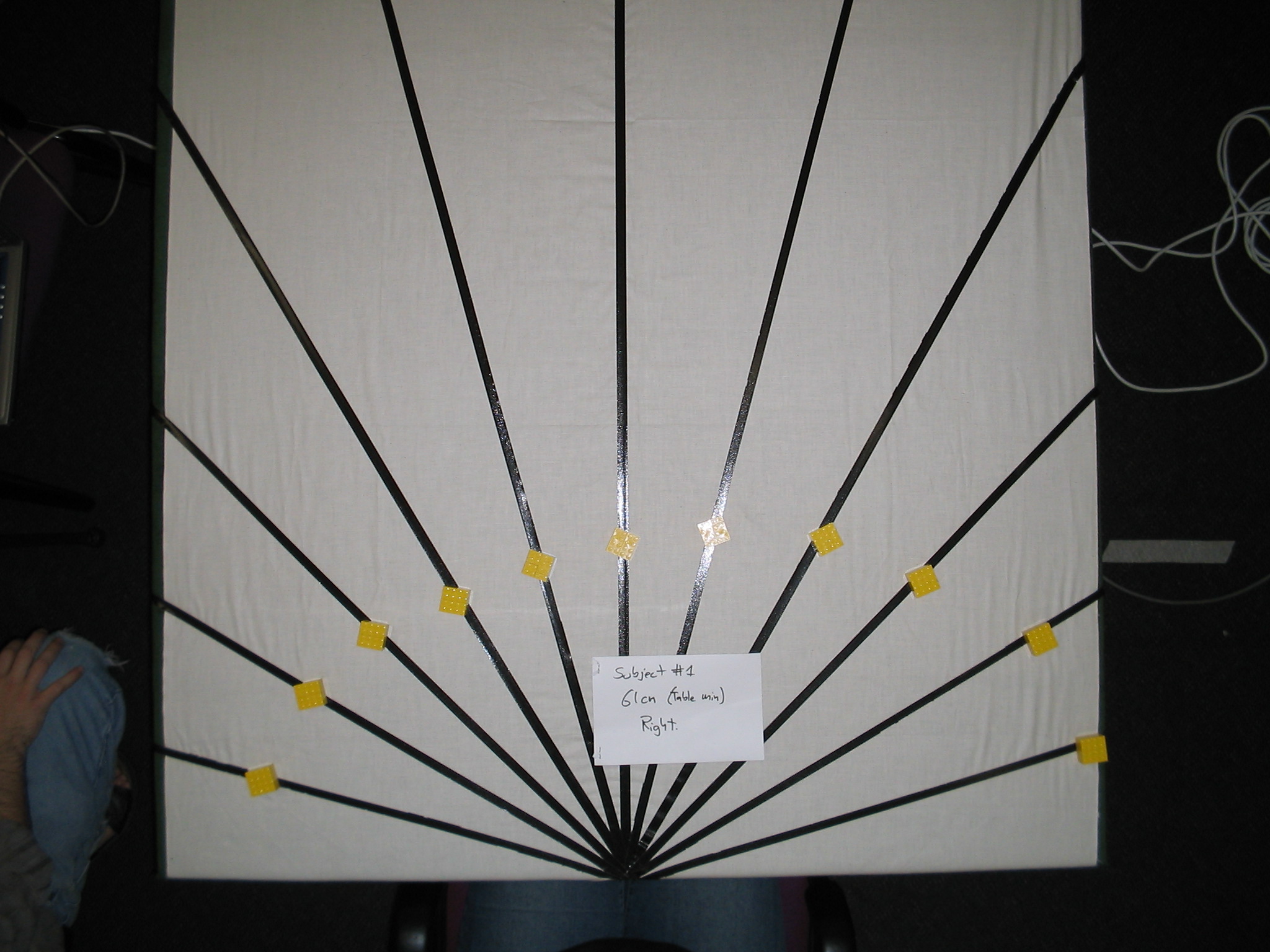
My interests in horizontal interactive surfaces led me to research how variables like table size, shape, and collaborator distribution affect the user interaction with on-table applications. I ran a number of studies testing on-table reach, and using the results to develop mathematical models to quantifiably predict reachable space on the table based on the table’s height, shape, and the user's anthropometric dimensions.

Predicting Table Usage

Predicting Table Usage

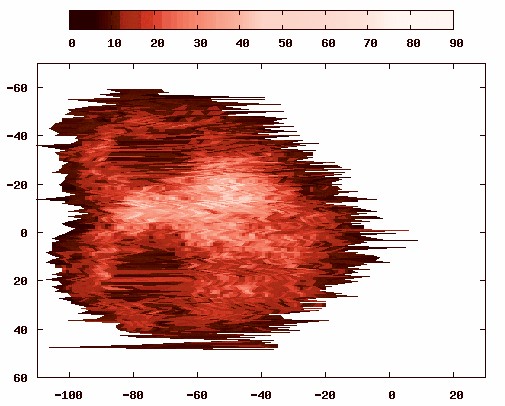
Building on my models predicting user reach, I ran studies observing table usage. From their results I developed models that could quantifiably predict where on the table a user would preferentially store, sort, and manipulate items, and how those regions and patterns of table use would change with the presence of collaborators.

Rethinking the Mouse Wheel

Locking Mouse Wheel

Locking Mouse Wheel

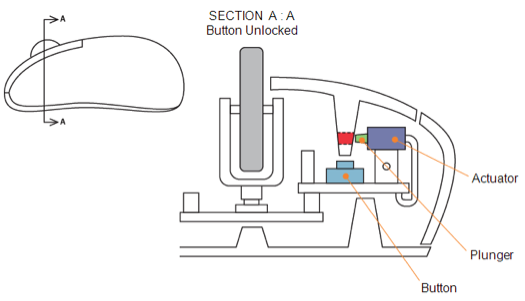
Currently mice are largely input devices. As part of an industrial design collaboration I explored ways for the mouse to afford the current usability of the area below the cursor. In the end I designed an electrically actuated bistable mechanical actuator to provide software control over locking the mouse buttons, preventing them from being depressed. Locking the button was used to afford the click-ability of the current selection.

Magnetic Detents

Magnetic Detents

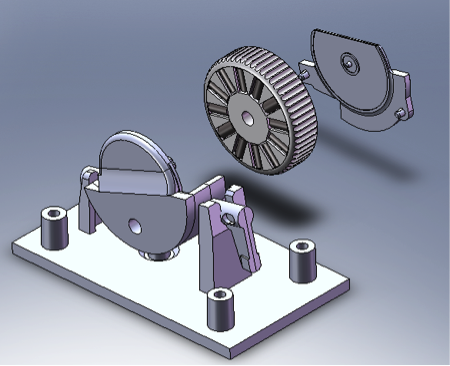
Detents are the little tactile “clicking” sensations you feel when spinning a mouse wheel. Detents help afford a quantitative sense to the angular rotation of the wheel. This project developed ways to magnetically generate detent force – providing a programmable number and strength of detents, as well as a way to lower COGs by magnetically tracking wheel rotation.

Robotic Components

Micro Thrusters

Thrusters

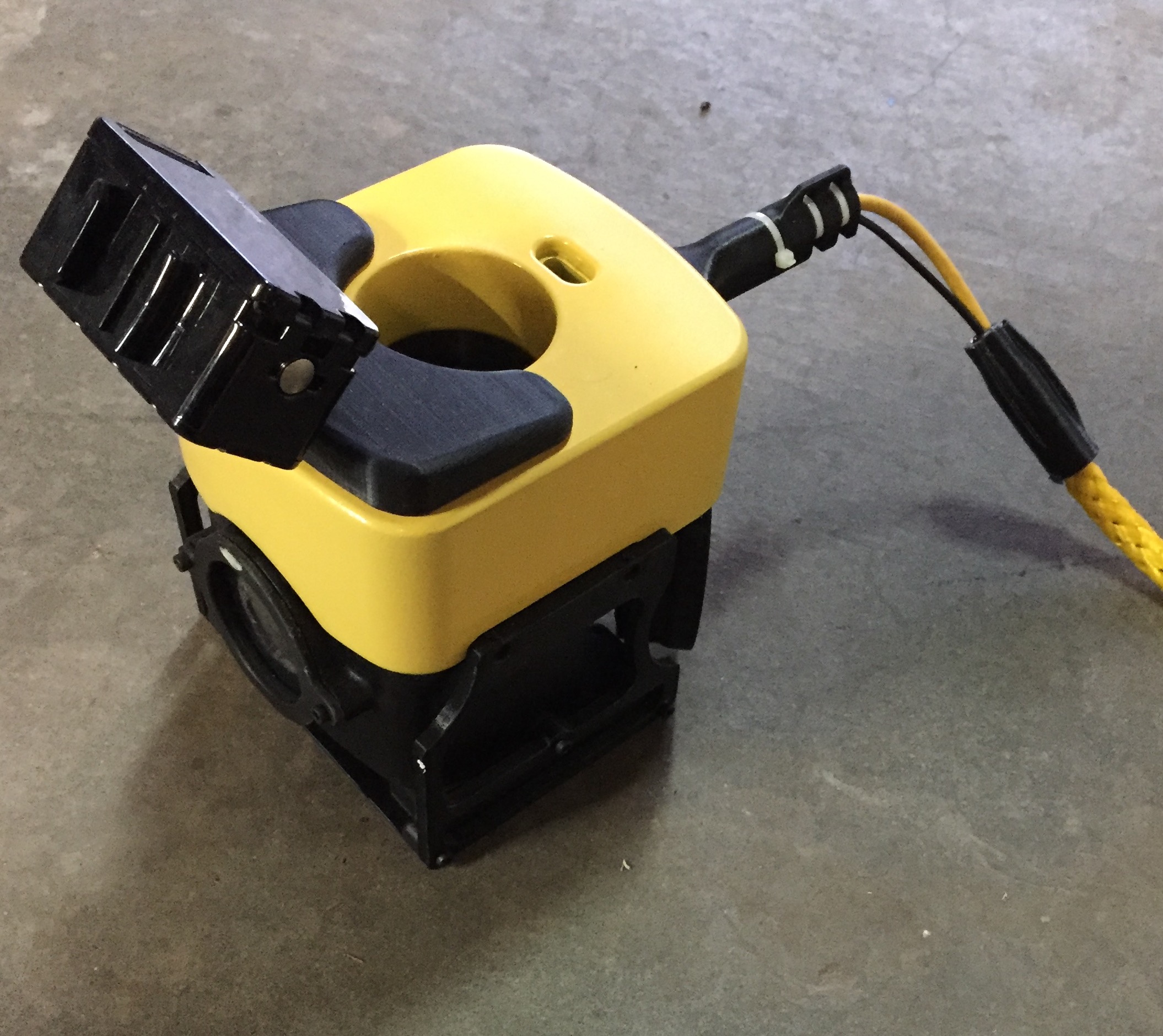
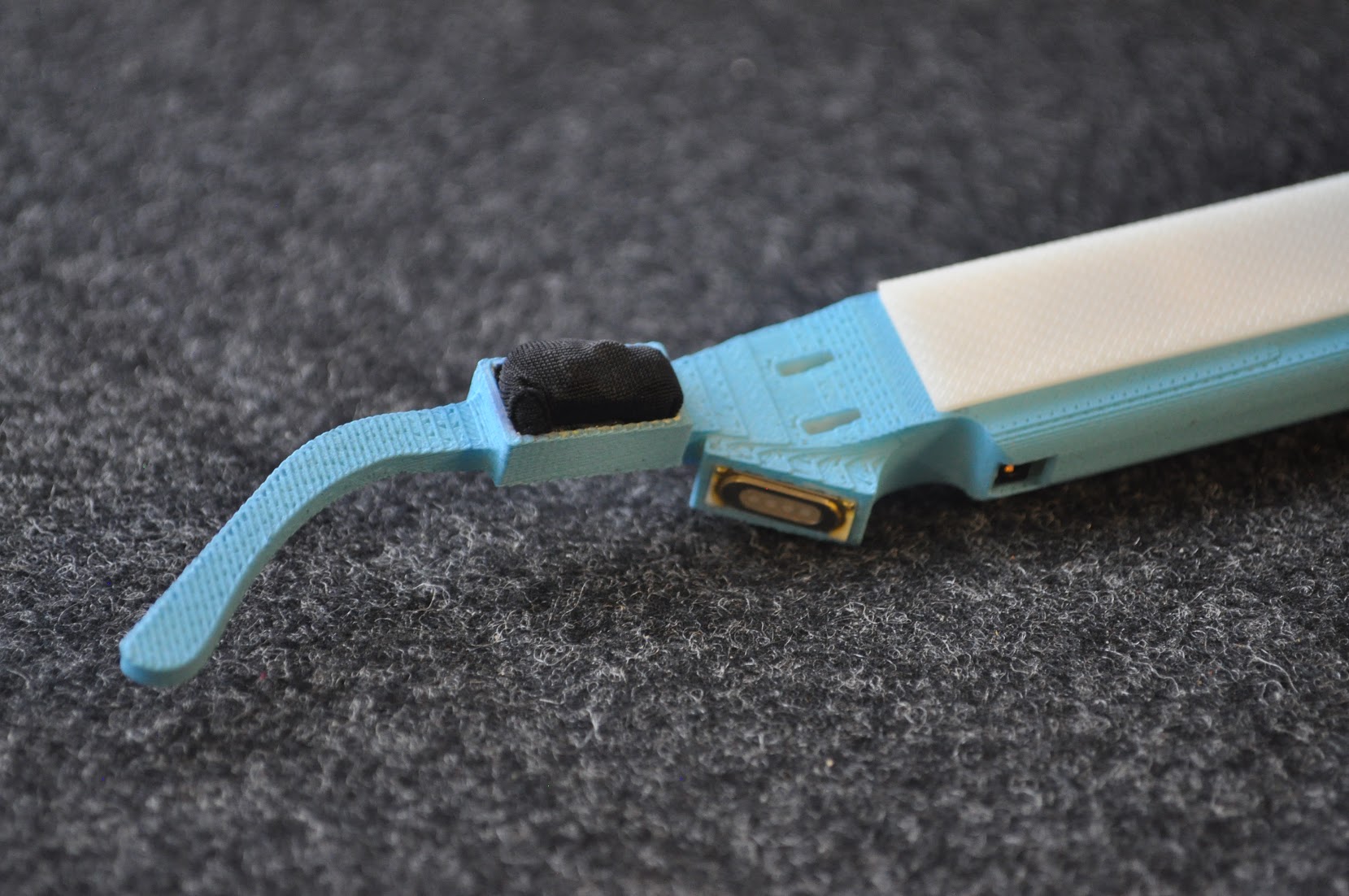
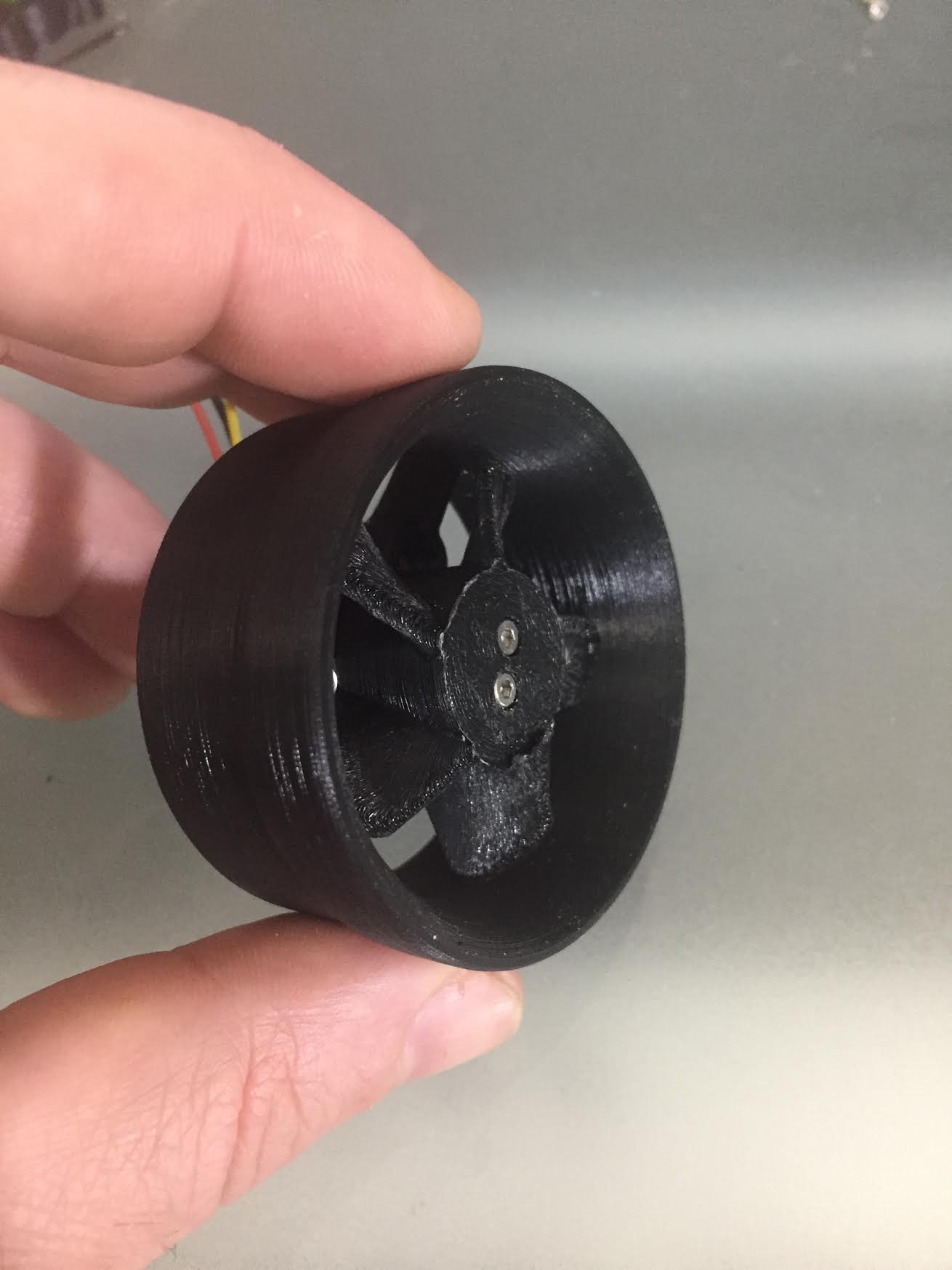
The micro thruster project was a project to create a tiny thruster to enable the creation of much smaller craft with fewer design constraints.

Oddly for multi-thruster designs, the available thruster packages tend to drive the design. Most multi-thruster designs end up using the same thrusters for both orientation and mobility thrust. This means larger thrusters get used, with changes that ripple through the designs scaling up size and weight for on and under water Drones, ROVs, and UUVs.